Join us for the 2026 Warren Alpert Foundation Prize symposium on October 1

From Discovery to Therapy: Gene Based Treatments for Sickle Cell Disease and Beta-thalassemia

Each year the recipients of the Warren Alpert Foundation Prize are recognized at a scientific symposium hosted by Harvard Medical School.

2026 Warren Alpert Foundation Prize Symposium

The Warren Alpert Foundation and Harvard Medical School invite you to our annual scientific symposium, recognizing five scientists whose discoveries led to curative genetic therapies for two major blood disorders: sickle cell disease and beta-thalassemia.


Swee Lay Thein
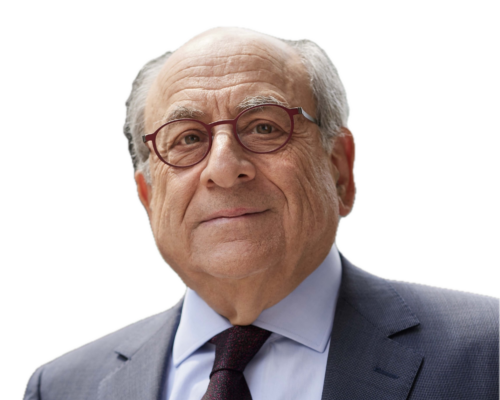
Swee Lay Thein | 2026 Recipient

Swee Lay Thein, MD, DSc, is a physician-scientist with more than 30 years of clinical and translational hematology research and extensive personal experience in laboratory research – molecular biology, genetics and genomics. Dr. Thein joined the National Heart, Lung and Blood Institute / NIH in spring 2015 as Senior Investigator and Chief of the Institute’s Sickle Cell Branch.

Swee Lay Thein completed her specialist training in general medicine and hematology at the Royal Postgraduate Medical School, Hammersmith, and the Royal Free Hospital, London, UK. She also worked in Oxford at the Weatherall Institute of Molecular Medicine (MRC Molecular Hematology Unit) where she held various positions, including MRC clinical training fellow, Wellcome Senior Fellow in Clinical Science, senior MRC clinical scientist, and at the John Radcliffe Hospital as honorary consultant hematologist. In 2000, she moved to King’s College London/King’s College Hospital, as Professor of Molecular Hematology/consultant hematologist and director of the Red Cell Centre. In 2003, she was elected a Fellow of the Academy of Medical Sciences (FMedSci), UK. Her research was chosen by scientists as one of the top 10 biggest science stories in 2022 (The Guardian), and in 2024, she was co-recipient of the Shaw Prize in Life Sciences & Medicine. In 2025 she was inducted into the Association of American Physicians and awarded the Helen M. Ranney prize. In 2025, she was elected to the Fellowship of the Royal Society, the UK's national academy of sciences.

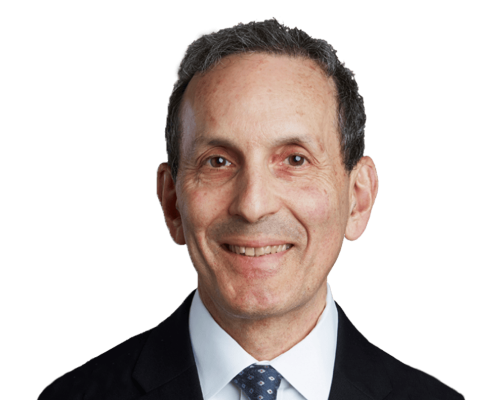
Stuart Orkin

Stuart Orkin | 2026 Recipient

Stuart H. Orkin, MD is the David G. Nathan Distinguished Professor of Pediatrics at Harvard Medical School, and an HHMI Investigator at Boston Children’s Hospital. Orkin has defined the molecular basis of human blood disorders and mechanisms governing blood cell development. He received a BS from MIT and an MD from Harvard Medical School. He served as Chairman of the Department of Pediatric Oncology at the Dana Farber Cancer Institute from 2000-2016. He was appointed an Investigator of the HHMI in 1986.

He provided the first comprehensive molecular dissection of an inherited disorder (the thalassemia syndromes), and characterized genes responsible for other human blood disorders, including X-linked chronic granulomatous disease (the first positional cloning).  Orkin identified the first hematopoietic transcription factors (the GATA family) and characterized their roles in blood cell development and cancer. His studies elucidated the regulation of globin gene switching and led to the first CRISPR/Cas9 gene editing therapy, Casgevy, for sickle cell disease and b-thalassemia.

Dr. Orkin is an elected member of the National Academy of Sciences (NAS), National Academy of Medicine (NAM), American Academy of Arts and Sciences, and the American Philosophical Society. He has received numerous awards, including the NAS Jessie Stevenson Kovalenko Medal, King Faisal Prize in Medicine, Gruber Prize in Genetics, Canadian Gairdner International Award, Shaw Prize in Life Science and Medicine, and the 2026 Breakthrough Prize in Life Sciences.


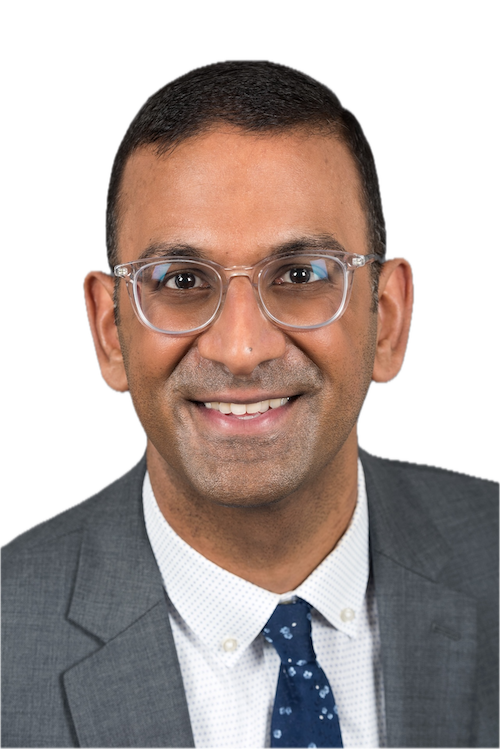
Vijay G. Sankaran

Vijay G. Sankaran | 2026 Recipient

Vijay G. Sankaran, MD, PhD is the Jan Ellen Paradise, MD Professor of Pediatrics at Harvard Medical School, an Investigator of the Howard Hughes Medical Institute, an Attending Physician in the Dana-Farber/Boston Children’s Cancer and Blood Disorders Center, and an Associate Member of the Broad Institute. Dr. Sankaran leads a research laboratory focused on defining how human genetic variation shapes blood and immune cell production in health and disease, integrating genetics with functional genomics and genome engineering to uncover causal mechanisms and therapeutic targets. His laboratory has pioneered approaches to map genetic variant effects in human hematopoietic cells and to connect inherited risk loci to cell type-specific regulatory programs, enabling systematic variant-to-function studies relevant to immune-mediated and hematologic disorders. This work has contributed to the development of transformative therapies for blood diseases, including advances that helped lay the groundwork for Casgevy for sickle cell disease and beta-thalassemia. Dr. Sankaran has received multiple honors, including the 2019 Seldin-Smith Award for Pioneering Research from the American Society of Clinical Investigation, the 2022 E. Mead Johnson Award from the Society for Pediatric Research, the 2024 Paul-Gallin Trailblazer Prize from the Foundation for the National Institutes of Health, the 2026 Frank A. Oski Memorial Lectureship Award from the American Society of Pediatric Hematology/Oncology, and he was named a 2025 Best Leader in America by U.S. News & World Report. He is an elected member of the Association of American Physicians and the American Society of Clinical Investigation.

Daniel Bauer

Daniel Bauer | 2026 Recipient

Daniel Bauer, M.D., Ph.D. is a physician-scientist whose research focuses on genome editing of hematopoietic stem cells. He discovered the gene editing approach targeting the BCL11A erythroid enhancer that was developed as exa-cel, approved for sickle cell disease and β-thalassemia treatment. He has described mechanisms of fetal hemoglobin (HbF) repression, demonstrated how human genetic diversity alters therapeutic gene editing outcomes, and uncovered how the quiescent stem cell state impacts the efficiency and genotoxicity of nuclease, base and prime editing. He has sponsored investigator-initiated clinical trials of therapeutic gene editing. His clinical work focuses on non-malignant hematology. He is a member of the American Society of Clinical Investigation and Association of American Physicians. He has received the Outstanding New Investigator Award from the American Society of Gene and Cell Therapy, E. Mead Johnson Award from the Society for Pediatric Research, and Irving M. London Teaching Award from the Harvard-MIT Health Sciences and Technology Program. He is Donald S. Fredrickson, MD Associate Professor of Pediatrics at Harvard Medical School and Director of the Gene Therapy Program in Pediatric Hematology/Oncology at Boston Children’s Hospital and Dana-Farber Cancer Institute.


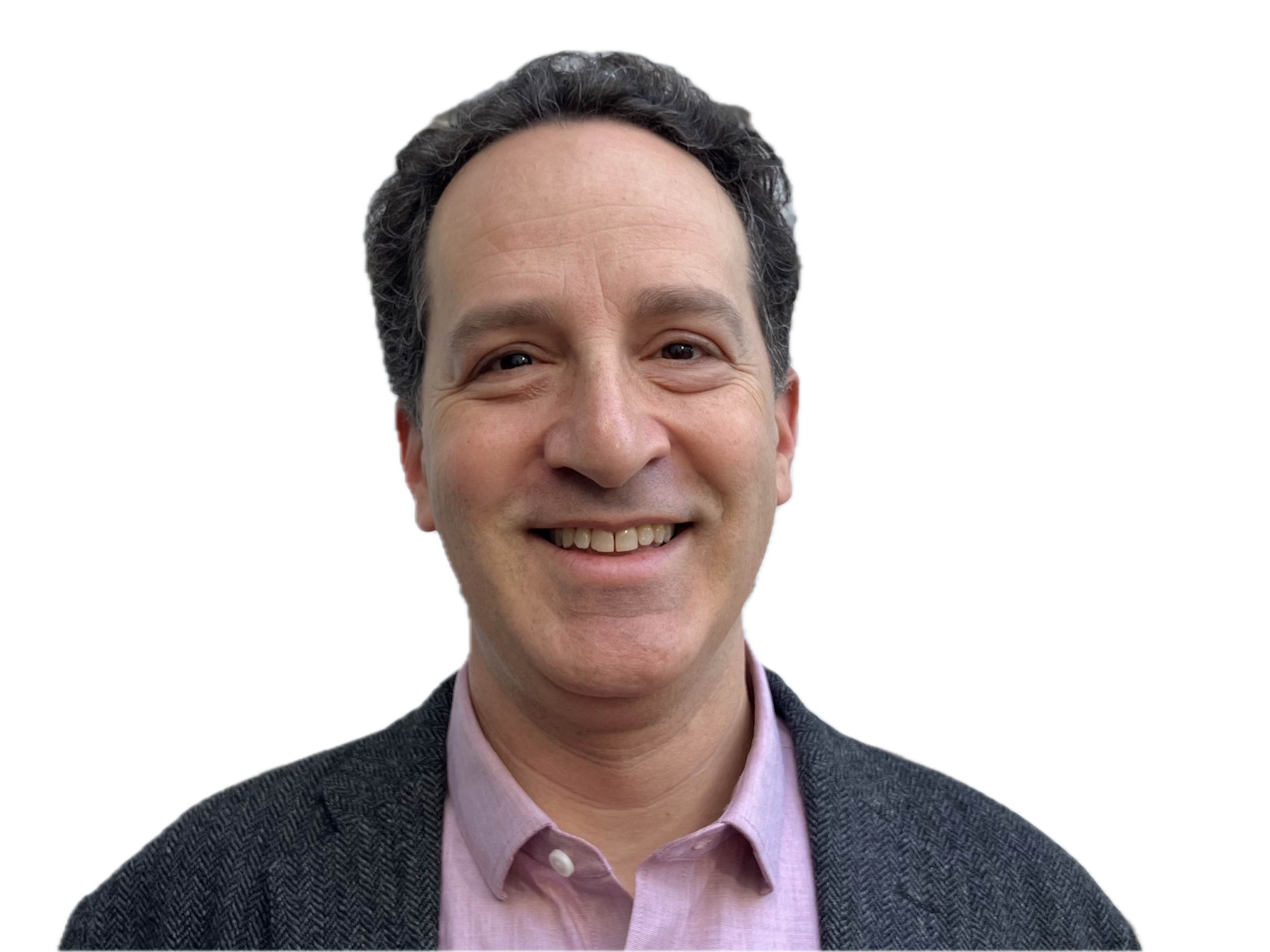
John Tisdale

John Tisdale | 2026 Recipient

John Tisdale, MD, is a Senior Investigator and Chief of the Cellular and Molecular Therapeutics Branch of the National Heart, Lung, and Blood Institute (NHLBI) at the NIH. After receiving his medical degree from the Medical University of South Carolina (MUSC), he trained at Vanderbilt University and completed a fellowship at the NHLBI before establishing his laboratory in 1998. Dr. Tisdale’s career is defined by his commitment to curing sickle cell disease, devastating inherited condition where a single "misspelled" gene causes red blood cells to distort and block the circulation, leading to excruciating pain, organ damage, and a shortened lifespan. His work spans the full spectrum of translational medicine: from fundamental studies of blood stem cell cultivation and genetic modification to the clinical implementation of bone marrow transplantation. He was the Principal Investigator for the gene therapy trial of lovo-cel, one of two breakthrough strategies that received historic FDA approval in December 2023. A prominent voice in the field, Dr. Tisdale was featured in the Discovery Channel documentary First in Human and on 60 Minutes. His contributions have been recognized with the ASH Ernest Beutler Prize, the ASGCT Jerry Mendell Award for Translational Science, the Public Health Service Outstanding Service Medal, the George C. Marshall Innovation Leadership Award, the Annual Bipartisan Congressional Silver Innovator Award, the American College of Physicians’ Richard and Hinda Rosenthal Award #1. Beyond his 250+ publications, he has been honored by the College of Charleston as a "Top 25 History Maker" at their 250 year anniversary and he holds an honorary Doctor of Medical Science from MUSC. His focus remains fixed on the future: moving complex genetic therapies out of the hospital and into the global communities that need them most.

Symposium Program

Join us for the 2026 Warren Alpert Foundation Prize symposium on Thursday, October 1, 1:30 P.M.- 5:30 P.M. Check back soon for program details.

Sign up to receive updates

Sign up to receive updates

Past Symposia

For questions about the prize, please contact us.
Contact Us
I am deeply honored to share this prestigious Warren Alpert Foundation Prize with my two esteemed colleagues on behalf of the many creative and industrious postdoctoral fellows, trainees, and students who worked on the GLP-1 project over the many years. It is indeed a tremendous pleasure to see that the inspiration and perspiration expended by these co-workers has resulted in a useful treatment for the control of type 2 diabetes mellitus.
- Joel Habener

Joel Habener | 2020 Recipient

Joel Francis Habener, M.D. received his B.S. degree Cum Laude in 1960 from the University of Redlands, Redlands, California and in 1965 his M.D degree from the University of California School of Medicine, Los Angeles, California.  Dr. Habener is Professor of Medicine at the Harvard Medical School, Associate Physician at the Massachusetts General Hospital, and a former Investigator with the Howard Hughes Medical Institute.  He is the Director of the Laboratory of Molecular Endocrinology in the Department of Medicine at the Massachusetts General Hospital.

His research interests are in the fields of obesity, diabetes, and metabolism with a focus on the interactions of growth factors and morphogens on the expression of transcription factors during development and in the regulation of hormone production by endocrine organs of the body.  He has authored over 450 research articles, books and reviews on these subjects.  He is a discoverer of the insulinotropic hormone glucagon-like peptide-1, cyclic AMP response element binding protein, the pancreas duodenal homeodomain protein, and the existence of multipotent stem cells in the pancreas. Dr. Habener holds several patents on these discoveries. Dr. Habener’s discoveries contributed to the development of glucagon-like peptide-1, currently successfully in use as a treatment for diabetes.

Dr. Habener is a member of several editorial boards of scientific journals and has served on many advisory committees of pharmaceutical companies and the National Institutes of Health.  He is the recipient of several awards, including the Edwin B. Astwood Award, Robert H. Williams Distinguished Leadership Award, and Outstanding Mentorship Lauriet Award by the Endocrine Society, and the Harrington Prize for Innovation in Medicine (shared) from the American Society of Clinical Investigation and the Harrington Discovery Institute.

View Past Recipients